
Course Handbook: Psychoanalytic and Jungian Theory for Qualified Practitioners
The Course Handbook provides a detailed outline of the 2026/27 certificate course, including its aims, content, structure, facilitators and attendance requirements.
This page should be read in conjunction with the bpf Student Handbook.
- Introduction
- Entry Requirements
- Course Content & Structure
- Meet the Facilitators
- Studying on the Course
- Attendance & Certificate
Overview of the certificate course
This one-year online certificate course is designed for qualified counsellors, psychotherapists and applied psychologists who have not previously trained in psychoanalytic or Jungian approaches but wish to incorporate these perspectives into their clinical work.
The course offers an accessible yet substantial grounding in key psychoanalytic and Jungian concepts, enabling experienced practitioners to understand how unconscious processes, symbolic meaning, developmental experience and relational dynamics may inform assessment, formulation and therapeutic intervention.
Rather than requiring participants to adopt a new therapeutic identity or abandon their established modality, the course supports them in using psychoanalytic and Jungian ideas selectively, critically and creatively to deepen their existing practice.
Why did the bpf create this course?
Many attendees at our Open Days are qualified therapists who have not trained in psychoanalytic or Jungian practice. Some are considering future training in psychoanalytic or Jungian therapy and want an introduction before committing, while others wish to use these perspectives to enrich their existing clinical work.
We developed this course in response to this clear demand, offering qualified therapists a bridge to a deeper understanding of psychoanalytic and Jungian thinking.
How does this course differ from an introductory or foundation course?
While introductory courses are often aimed at those beginning their therapeutic training, this course is specifically designed for qualified practitioners who wish to integrate psychoanalytic and Jungian perspectives into their existing clinical practice.
The course is ideal for practitioners seeking to broaden their theoretical framework and enhance their clinical work through engagement with two of the most influential traditions in depth psychology.
Key Contact Information
The course is run by the bpf Short Courses Team, who are the first point of contact for any questions about attendance, Moodle, readings or administration.
Teaching is delivered by senior psychoanalytic and Jungian clinicians. See the Meet the Facilitators tab for details of who is teaching each study day.
Administrative support is available from the Short Courses Team, who are the first point of contact for student queries at [email protected].
Entry Requirements
This section outlines who the course is for and how applications are considered.
Professional Qualification and Registration
Applicants should hold a professional qualification in clinical psychology, counselling, psychotherapy or another recognised therapeutic modality. We welcome practitioners trained in a wide range of approaches, including humanistic, person-centred and existential therapies. Previous training in psychoanalytic or Jungian practice is not required; however, applicants should have a clear professional interest in these traditions and a willingness to explore how their concepts may deepen clinical understanding and enrich their existing way of working.
Registration
Applicants are expected to hold current clinical registration or accredited membership with a recognised professional body, such as the Health and Care Professions Council (HCPC), British Association for Counselling and Psychotherapy (BACP), UK Council for Psychotherapy (UKCP), National Counselling and Psychotherapy Society (NCPS), British Psychoanalytic Council (BPC) or the Association of Child Psychotherapists (ACP). This requirement helps ensure that participants have an established clinical foundation and practise within an appropriate professional and ethical framework.
International Applicants and Other Backgrounds
The course also attracts arts therapists, CBT practitioners and clinicians based outside the UK. International applicants are welcome where they can demonstrate registration, accreditation or membership with an equivalent recognised professional body in their country of practice.
Applications from practitioners whose professional background does not fit neatly within the categories above will also be considered, provided they can demonstrate appropriate clinical training, accountability and experience.
Clinical Experience and How Applications Are Considered
Each application is considered on its own merits, taking account of the applicant’s qualifications, professional registration, clinical experience and reasons for undertaking the course.
As a general guide, successful applicants will usually have at least three years of post-qualifying clinical experience. This level of experience enables participants to relate the course material to established practice and contribute meaningfully to clinically focused discussion.
Course Content & Structure
What Does the Course Cover?
The programme takes a pluralistic and integrative approach. Its principal focus is contemporary psychoanalytic and Jungian theory, considered alongside relevant research and selected ideas from disciplines such as attachment studies, developmental psychology and neuroscience. Participants will be encouraged to explore both the distinctive contributions of these traditions and the areas in which they complement, challenge or extend one another.
The emphasis throughout is on thoughtful clinical integration rather than replacing a practitioner’s existing modality. Through theory, clinical examples and reflective discussion, participants will examine their own and others’ work through psychoanalytic and Jungian lenses.
The curriculum introduces the theoretical foundations and clinical sensibilities of psychoanalytic and Jungian practice. Key themes include the therapeutic relationship and frame; transference and countertransference; attachment and human development; unconscious conflict, defence and resistance; trauma; and the contribution of neuroscience and research to contemporary analytic thinking.
The programme also promotes respect for difference and otherness, recognising that participants bring varied identities, cultural contexts and therapeutic orientations. Teaching and discussion will consider how social location, power and assumptions about normality may shape the clinical encounter. Differences between modalities will be treated as a resource for dialogue, enabling participants to compare perspectives, question familiar ways of working and develop a more inclusive, critically reflective practice.
Learning Aims
Psychoanalytic and Jungian theories anchor much of contemporary psychoanalytic and Jungian practice, offering insightful perspectives on the unconscious, personality development, and the process of psychological change. The certificate course is designed not only to enrich professional knowledge but also to strengthen therapeutic skills through rigorous exploration of theory, clinical application, and reflective practice.
- Grounding: To provide a structured and comprehensive grounding in the core concepts, historical evolution, and contemporary applications of psychoanalytic and Jungian theory.
- Critical engagement: To encourage critical engagement with key texts, thinkers, and debates within these therapeutic traditions, enabling practitioners to challenge, refine, and integrate ideas into their own clinical approach.
- Self-reflection: To foster self-reflection and personal development by encouraging participants to attend to their own responses and emotional processes, deepening therapeutic awareness and insight.
- Clinical proficiency: To develop clinical proficiency in applying psychoanalytic and Jungian concepts to existing clinical practice.
- Interdisciplinary dialogue: To encourage interdisciplinary dialogue by exploring the intersections of psychoanalytic, Jungian, and other relevant therapeutic modalities and disciplines, enriching the practitioner’s knowledge and approach.
- Professional community: To support ongoing professional growth by connecting learners with a vibrant professional community.
Study Days 2026–27
The course consists of 10 monthly study days. Each of the 10 study days introduces the theme from both psychoanalytic and Jungian perspectives, before supporting students to consider its relevance to therapeutic practice.
| Study Day | Date | Theme |
| 1 | 10 October 2026 | Core assumptions of psychoanalytic and Jungian theory |
| 2 | 7 November 2026 | The therapeutic relationship and the analytic frame |
| 3 | 12 December 2026 | Working with the unconscious |
| 4 | 9 January 2027 | Unconscious conflict and defence mechanisms |
| 5 | 13 February 2027 | Human development and the lifespan |
| 6 | 13 March 2027 | Transference and countertransference |
| 7 | 10 April 2027 | Attachment theory |
| 8 | 8 May 2027 | Working with trauma |
| 9 | 12 June 2027 | Difference, diversity and social justice |
| 10 | 10 July 2027 | Neuroscience and the evidence base |
Open each study day below for its learning objectives:
Study Day 1: Core assumptions of psychoanalytic and Jungian theory
Saturday 10 October 2026 · Psychoanalytic: Sheelagh Lippell · Jungian: George Taxidis
By the end of the study day, students should be able to:
- Identify key psychoanalytic and Jungian concepts.
- Compare perspectives on the mind, psyche and psychological change.
- Consider their relevance to therapeutic practice.
Study Day 2: The therapeutic relationship and the analytic frame
Saturday 7 November 2026 · Psychoanalytic: Tara Blake-Harbord · Jungian: Jean Knox
By the end of the study day, students should be able to:
- Describe psychoanalytic and Jungian perspectives on the therapeutic relationship.
- Explore the role of the analytic frame, boundaries and ethics.
- Consider their application to therapeutic practice.
Study Day 3: Working with the unconscious
Saturday 12 December 2026 · Psychoanalytic: Zack Eleftheriadou · Jungian: Angeline Wallis
By the end of the study day, students should be able to:
- Describe psychoanalytic and Jungian perspectives on the unconscious.
- Explore how unconscious material may be expressed and understood.
- Consider its significance in therapeutic practice.
Study Day 4: Unconscious conflict and defence mechanisms
Saturday 9 January 2027 · Psychoanalytic: Shelly Allen · Jungian: Clare Simmonds
By the end of the study day, students should be able to:
- Describe psychoanalytic and Jungian perspectives on conflict and defence.
- Explore the protective and limiting functions of psychological defences.
- Consider their significance in therapeutic practice.
Study Day 5: Human development and the lifespan
Saturday 13 February 2027 · Psychoanalytic: Zack Eleftheriadou · Jungian: Mark Matthew Palmer
By the end of the study day, students should be able to:
- Describe psychoanalytic and Jungian perspectives on human development.
- Explore psychological development across the lifespan.
- Consider the relevance of developmental thinking to therapeutic practice.
Study Day 6: Transference and countertransference
Saturday 13 March 2027 · Psychoanalytic: Sue Kegerreis · Jungian: Mark Matthew Palmer
By the end of the study day, students should be able to:
- Describe psychoanalytic and Jungian perspectives on transference and countertransference.
- Explore relational dynamics within the therapeutic relationship.
- Consider the use of self in therapeutic practice.
Study Day 7: Attachment theory
Saturday 10 April 2027 · Psychoanalytic: Linda Cundy · Jungian: Jean Knox
By the end of the study day, students should be able to:
- Describe key concepts within attachment theory.
- Explore links with psychoanalytic and Jungian perspectives.
- Consider the relevance of attachment-informed thinking to therapeutic practice.
Study Day 8: Working with trauma
Saturday 8 May 2027 · Psychoanalytic: Tara Blake-Harbord · Jungian: Susan Tyler
By the end of the study day, students should be able to:
- Describe psychoanalytic and Jungian perspectives on trauma.
- Explore the impact of trauma on psychological and relational functioning.
- Consider approaches to trauma within therapeutic practice.
Study Day 9: Difference, diversity and social justice
Saturday 12 June 2027 · Psychoanalytic: Mohini Murti Gulati-Olapoju · Jungian: Ruth Calland
By the end of the study day, students should be able to:
- Describe psychoanalytic and Jungian perspectives on difference and otherness.
- Explore the influence of identity, culture and social context.
- Consider inclusive and ethical therapeutic practice.
Study Day 10: Neuroscience and the evidence base
Saturday 10 July 2027 · Psychoanalytic: Arianna Pulsoni · Jungian: Giles Allen
By the end of the study day, students should be able to:
- Identify research relevant to psychoanalytic and Jungian approaches.
- Explore links between psychological theory, neuroscience and practice.
- Consider the role of evidence-informed thinking in psychotherapy.
Course Structure
The course is held entirely online, between 10am and 5pm, and will take place one Saturday a month for 10 months (October – July). We have chosen to hold the course at weekends to allow you to continue your work as a therapist alongside the course. Students will be sent the relevant Zoom links in advance of each study day.
The mornings will consist of two theory seminars led by senior analysts from the psychoanalytic and Jungian traditions. You will learn from a diverse group of senior clinicians and thinkers, who are experts in their subject areas.
All students on the course attend the theory seminars together. In the afternoon, there will be facilitated discussion groups. Students will be divided into two smaller groups and will have the opportunity to engage and interact with each seminar leader from the morning.
After the discussion groups, there is a plenary where the psychoanalytic and Jungian practitioners jointly address students’ questions and draw together key themes from both perspectives.
Students are required to attend at least 80% of all sessions in order to receive a certificate of attendance. Any changes to attendance must be discussed in advance with the administrative team. See the Attendance & Certificate tab for full details.
Indicative Timetable
| Time | Session | Notes |
| 10:00–11:30 | Psychoanalytic clinical theory lecture | All students attend. Lecture on the Study Day theme. |
| 11:30–11:45 | Break | |
| 11:45–13:15 | Jungian clinical theory lecture | All students attend. Lecture on the Study Day theme. |
| 13:15–14:00 | Lunch break | |
| 14:00–15:00 | Discussion Groups Part 1 | Students divide into two groups. One group joins the psychoanalytic practitioner; the other joins the Jungian practitioner. |
| 15:00–16:00 | Discussion Groups Part 2 | The groups swap over, so all students have the opportunity to discuss both approaches. |
| 16:00–16:15 | Break | |
| 16:15–17:00 | Final panel / plenary | Psychoanalytic & Jungian practitioners jointly address students’ questions and draw together key themes from both perspectives. |
| 17:00–17:15 | Optional debrief session |
Sessions: What to Expect
1. Lectures
To introduce and develop the study day theme from either a psychoanalytic or Jungian perspective, giving you a clinically alive, theoretically informed understanding of the subject.
What to expect:
- Each teacher brings their own style, clinical experience and theoretical orientation to the session.
- The study day theme is explained, including its historical origins, key concepts and relevance to contemporary practice.
- Recent developments, research or debates are included where they help clarify current thinking in the field.
- Clinical examples, anonymised case material or composite vignettes connect theory with practice.
- Some sessions may include experiential elements, reflecting different ways of learning.
- The 90 minutes may be structured flexibly, for example, presentation plus questions, or a shorter presentation followed by later discussion.
- At the start, the teacher will clarify how the session will run, including whether to ask questions during the lecture or save them for the discussion group.
- All clinical material is anonymised and confidentiality fully protected.
2. Discussion Groups
To help you explore how the lecture’s theories can inform your own therapeutic thinking and clinical practice.
What to expect:
- Discussion groups are not simply a theory Q&A or an extension of the lecture. You’re encouraged to think about how the day’s theme applies to your own clinical work.
- You may be invited to prepare relevant clinical examples, questions or dilemmas in advance.
- The group offers a respectful space to explore similarities, differences and tensions between theoretical approaches. Questions, debate and constructive challenge are welcomed.
- The group aims to be cooperative rather than competitive.
- There’s room to play with ideas and build confidence applying theory clinically, while preserving confidentiality and anonymising any case material you discuss.
3. Plenary
To bring the day together, comparing perspectives, asking final questions and reflecting on clinical implications.
What to expect:
- Key themes from both the psychoanalytic and Jungian sessions are drawn together.
- You’ll notice points of convergence, difference and productive tension between the approaches.
- There’s space for final questions from the lectures and discussion groups.
- You’re encouraged to consider how the day’s material informs your own practice.
4. Optional Debrief
A short reflective space to process any emotional or clinical impact from the day before you leave, if you wish.
What to expect:
- Even as a qualified practitioner, some material may still evoke strong feelings or unresolved questions; this is normal.
- You can raise concerns, reflect on emotional impact, or ask for clarification.
- The space is held calmly and supportively, bounded to the time available.
- Where needed, you’ll be signposted to further support if something cannot be resolved in this space.
Meet the Facilitators
The course is led by senior psychoanalytic and Jungian clinicians whose work spans the full developmental spectrum, including direct experience of working clinically with children and adolescents, adults, couples, and parents and infants. Their breadth of practice ensures that the theories and concepts explored throughout the programme are rooted in real-world clinical understanding and the lived developmental challenges encountered across the lifespan.
The table below lists the psychoanalytic and Jungian teachers scheduled for each study day in 2026–27.
| Study Day | Psychoanalytic | Jungian |
| Term 1 | ||
| Study Day 1 | Sheelagh Lippell | George Taxidis |
| Study Day 2 | Tara Blake-Harbord | Jean Knox |
| Study Day 3 | Zack Eleftheriadou | Angeline Wallis |
| Term 2 | ||
| Study Day 4 | Shelly Allen | Clare Simmonds |
| Study Day 5 | Zack Eleftheriadou | Mark Matthew Palmer |
| Study Day 6 | Sue Kegerreis | Mark Matthew Palmer |
| Term 3 | ||
| Study Day 7 | Linda Cundy | TBC |
| Study Day 8 | Tara Blake-Harbord | Susan Tyler |
| Study Day 9 | Mohini Murti Gulati-Olapoju | Ruth Calland |
| Study Day 10 | Arianna Pulsoni | Giles Allen |
Psychoanalytic Facilitators

Dr Sheelagh Lippell
Psychodynamic psychotherapist and educational psychologist; Director of Psychodynamic Training, bpf
Study Day 1 (10 October 2026)
More
Dr Sheelagh Lippell is a psychodynamic psychotherapist and educational psychologist, and is currently Director of Psychodynamic Training at the bpf. She has extensive experience in teaching, supervision and clinical practice. She has a lifelong commitment to and passion for inclusion and diversity, and is dedicated to helping redress, wherever possible, imbalances in power and privilege in both access to psychological therapies and training.
Sheelagh writes: ‘I do not work with categories – I work with human beings. Naturally, we must take into consideration the political, economic, social, environmental, technological and ideological contexts in which we find ourselves. This is why contemporary psychoanalysis is located within the psycho-social. However, as Rosenthal says, when we meet the ‘other’ we must do two things: firstly, enter into conversation with them and at the same time, interrogate one’s own prejudices. Very hard to do and I am sure I fall short from time to time (this is why personal therapy is so essential in developing our observing ego). Nonetheless this dual attention has led me to discover and build solid friendships and professional relationships with a wide range of people I might not have otherwise had the privilege of meeting.’
Sheelagh’s personal interests include wild swimming; walking in nature; books, film and art; and, most importantly making her two grandsons laugh.
Teaching on:
- Study Day 1 (10 October 2026): Core assumptions of psychoanalytic and Jungian theory

Dr Tara Blake-Harbord
Adult psychodynamic psychotherapist (BPC); Senior Lecturer & Theory Lead, Tavistock Education & Training
Study Day 2 (7 November 2026) · Study Day 8 (8 May 2027)
More
Dr Tara Blake-Harbord is a BPC-registered Adult Psychodynamic Psychotherapist. She currently works in private practice and as a Senior Lecturer & Theory Lead in Psychoanalytic Studies at Tavistock Education & Training. Previously she worked in a Specialist NHS Psychological Therapies Service in Kent where she applied a psychodynamic approach to working with complex trauma.
Tara developed an interest in psychoanalysis during her first career as an academic where she studied and taught psychoanalytic theory alongside anthropology, cultural studies, and experimental writing. She holds a PhD from Goldsmiths, University of London, which explores psychoanalytic and poststructuralist theory through a queer narrative, and which has since been published as a book (Archive Fevers 2022).
Teaching on:
- Study Day 2 (7 November 2026): The therapeutic relationship and the analytic frame
- Study Day 8 (8 May 2027): Working with trauma

Dr Zack Eleftheriadou
Chartered counselling psychologist; child, parent-infant and adult psychoanalytic psychotherapist
Study Day 3 (12 December 2026) · Study Day 5 (13 February 2027)
More
Dr Zack Eleftheriadou is a Chartered Counselling Psychologist and Fellow of the British Psychological Society (HCPC). She has trained as a child and parent-infant psychotherapist (CPJA/UKCP), and a registered adult psychoanalytic psychotherapist (CPJA/UKCP & BPF/Tavistock/BPC) and a Specialist Trauma Psychotherapist (Tavistock). Zack runs the consultancy service ‘Noema Psychology and Psychotherapy’, providing psychotherapy, supervision and teaching. She lectures in the following areas: developmental issues, trauma/complex trauma, migration/cross-cultural work and the ‘replacement child’ psychodynamics. She has published widely, including the text ‘Psychotherapy and Culture’. She is member of The Bowlby Centre and is a visiting external examiner for Doctoral projects across the UK. She has previously worked in several London NHS Hospitals and charities, such as Nafsiyat Intercultural Therapy Centre and Freedom from Torture.
Teaching on:
- Study Day 3 (12 December 2026): Working with the unconscious
- Study Day 5 (13 February 2027): Human development and the lifespan

Shelly Allen
Psychodynamic psychotherapist; Senior Lecturer, University of Manchester
Study Day 4 (9 January 2027)
More
Shelly Allen is a Psychodynamic Psychotherapist working in independent practice and a Senior Lecturer in Mental Health Nursing & Psychological Therapies at the University of Manchester. From March 2026, Shelly will take up the position of Head of Counselling & Psychotherapy at The University of Salford.
Editor of Psychodynamic Approaches in Health and Social Care; Applying Classic Psychoanalytic Work to Contemporary Settings published by Routledge, Shelly takes an applied focus to the application of psychodynamic theory across a broad range of settings.
Clinically Trained in Inter-cultural Psychodynamic Psychotherapy issues of intersectionality underpin Shelly’s approach. Undertaking the MA in Consulting and Leading in Organisations: Psychodynamic and Systemic Approaches, Shelly’s interest and experience spans clinical and organisational contexts.
Teaching on:
- Study Day 4 (9 January 2027): Unconscious conflict and defence mechanisms

Sue Kegerreis
Emeritus Professor, University of Essex; Editor-in-Chief, British Journal of Psychotherapy
Study Day 6 (13 March 2027)
More
Sue Kegerreis trained as a Psychoanalytic Psychotherapist first with children and adolescents at the Tavistock and then with adults at the Lincoln (now part of the BPF). She has worked in school, hospital and clinic settings and has a private practice seeing both adults and children. She is an Emeritus professor at the University of Essex in the Department of Psychosocial and Psychoanalytic Studies where she ran the MA Psychodynamic Counselling and Psychotherapy training and supervised PhDs and Professional Doctorates across a range of research areas. She has taught and published widely on clinical, training and research issues and is Editor-in-Chief of the British Journal of Psychotherapy, having previously been Managing Editor at Psychodynamic Practice.
Teaching on:
- Study Day 6 (13 March 2027): Transference and countertransference

Linda Cundy
Attachment-based psychoanalytic psychotherapist and clinical supervisor
Study Day 7 (10 April 2027)
More
Linda is an attachment-based psychoanalytic psychotherapist and clinical supervisor with a private practice in North London. She has worked in the mental health field since the early 1980s and originally trained as a counsellor, later completing psychotherapy training at the Bowlby Centre in the 1990s. She was a member of the psychoanalytic faculty at Regent’s College (now Regent’s University) for many years, and has also taught at AGIP (Association for Group and Individual Psychotherapy) and the Bowlby Centre itself. For seventeen years she ran training courses in attachment at the Wimbledon Guild, eventually developing these into a postgraduate diploma programme. Linda is an independent trainer and conference speaker nationally and internationally, and an author specialising in the clinical application of attachment theory. She has curated, contributed to, and edited six books to date, is Series Editor for the Psychotherapy Matters books, published by Karnac in association with UKCP and is the Attachment Consultant to the Bowlby Centre.
Teaching on:
- Study Day 7 (10 April 2027): Attachment theory

Mohini Murti Gulati-Olapoju
Attachment-based psychoanalytic psychotherapist (UKCP); leads the clinical training at the Bowlby Centre
Study Day 9 (12 June 2027)
More
Mohini Murti Gulati-Olapoju is an attachment-based psychoanalytic psychotherapist with the United Kingdom Council for Psychotherapy (UKCP) under the Council for Psychoanalysis and Jungian Analysis (CPJA). Mohini is a course tutor, Race and Culture seminar leader and leads the four-year clinical training at the Bowlby Centre. Mohini is an advanced Hatha Yoga Teacher which informs her understanding of how trauma impacts the nervous system and holds a BSc in Mathematics and Psychology. Mohini also has over a decade of experience in the financial sector, where she works as a Vice President and navigates the systemic dynamics of race, gender and power.
Teaching on:
- Study Day 9 (12 June 2027): Difference, diversity and social justice

Arianna Pulsoni
Child and adolescent psychoanalytic psychotherapist; Course Director, University of Essex
Study Day 10 (10 July 2027)
More
Arianna is a qualified Child and Adolescent Psychoanalytic Psychotherapist and has extensive experience with families, children and adolescents, clinical supervision, teaching, and research. She is also a lecturer, in the Department of Psychosocial and Psychoanalytic studies at the University of Essex, where she is module supervisor on undergraduate, postgraduate and professional doctoral modules, and a PhD and Professional Doctorate supervisor and examiner. She is the Course Director for the clinical training and MA in Psychodynamic Counselling and Psychotherapy at the University of Essex, and the course coordinator and senior supervisor of Infant Observation at the Association for Group and Individual Psychotherapy (AGIP).
Arianna is the therapeutic lead of Transforming Autism, where she provides leadership to the charity’s programmes and early interventions and she contributes to the design and development of clinical and non-clinical programmes and early interventions for babies and young children.
Teaching on:
- Study Day 10 (10 July 2027): Neuroscience and the evidence base
Jungian Facilitators
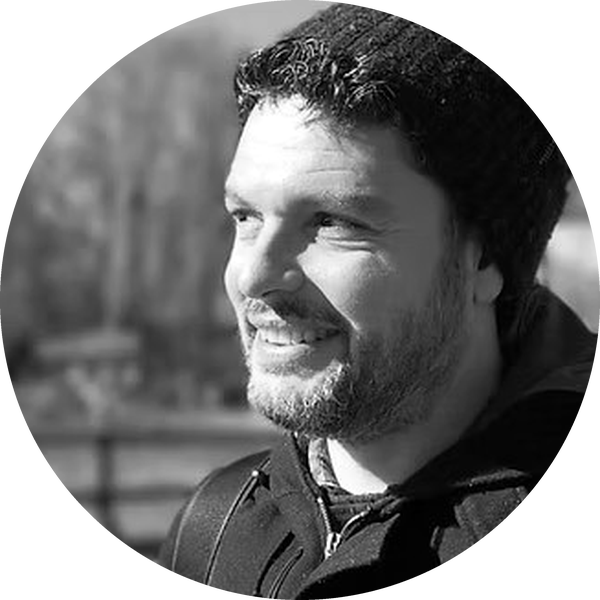
George Taxidis
Jungian analyst (BJAA) and clinical supervisor; Lecturer, Goldsmiths, University of London
Study Day 1 (10 October 2026)
More
George Taxidis (he/him) is a Jungian analyst (BJAA) and clinical supervisor in private practice in East London. He is a lecturer in psychosocial studies and psychotherapy at Goldsmiths, University of London, where he facilitates the Queer and Trans Support Space for therapy students. He co-founded the International Queer Jungian Initiative and has been speaking and writing on queer perspectives in psychoanalysis and Jungian psychology in the UK and internationally. He is writing a book on queering Jungian psychology for the Routledge series Jung, Politics and Culture.
Teaching on:
- Study Day 1 (10 October 2026): Core assumptions of psychoanalytic and Jungian theory

Jean Knox
Associate Professor, University of Exeter; Chair of Trustees, bpf
Study Day 2 (7 November 2026) · Study Day 7 (10 April 2027)
More
Jean Knox is Associate Professor at the University of Exeter and Academic Director for the:
- Doctorate of Clinical Practice (Research)
- Doctorate of Psychoanalytic and Psychodynamic Psychotherapy Clinical Practice
- Professional Qualifying Training in Psychodynamic and Psychoanalytic Psychotherapy.
She is Chair of the Trustees of the British Psychotherapy Foundation and the bpf representative on the British Psychoanalytic Council. She has been Editor-in-Chief of the Journal of Analytical Psychology.
She has been a training therapist and supervisor for the Society of Analytical Psychology, the British Psychotherapy Foundation, Severnside, West Midlands Institute and AGIP trainings and a member and supervisor for BAPPS (British Association for psychoanalytic and psychodynamic supervision). She is an honorary member of the International Attachment Network.
She has taught and lectured for numerous national and international psychoanalytic and Jungian training institutes, as well as the Tavistock Trauma Centre, the Bowlby Centre, the International Attachment Network, Confer and others. She has researched, written and taught extensively on the relevance of research in attachment theory and developmental neuroscience to psychotherapy theory and practice.
Teaching on:
- Study Day 2 (7 November 2026): The therapeutic relationship and the analytic frame
- Study Day 7 (10 April 2027): Attachment theory

Dr Angeline Wallis
Child and adolescent psychoanalytic psychotherapist (ACP), researcher and lecturer
Study Day 3 (12 December 2026)
More
Dr Angeline Wallis is a child and adolescent psychoanalytic psychotherapist, researcher, and lecturer specialising in developmental trauma, child mental health, and reflective practice. She trained in Child and Adolescent Psychoanalytic Psychotherapy at the British Psychotherapy Foundation (Bpf) and Birkbeck, University of London, within the Jungian pathway, and is an ACP-registered child psychotherapist.
Angeline has over a decade of clinical experience across NHS CAMHS, specialist trauma services, and private practice, working with children, adolescents, adoptive families, and young people affected by trauma, displacement, and relational adversity. Alongside her UK clinical work, she has extensive international experience, supporting lay counsellors delivering mental health and psychosocial interventions in conflict-affected Northeast Nigeria through partnerships with the NEEM Foundation.
Her Doctorate in Health and Social Care at the Open University explored the lived experiences of lay counsellors providing child mental health interventions in conflict-affected settings in Northern Nigeria. Her research interests focus on developmental trauma, reflective supervision, task-sharing in global mental health, and the relational and cultural dimensions of psychological care for children.
Angeline currently facilitates the child and adolescent work discussion group at the British Psychotherapy Foundation and previously facilitated the infant observation seminars on the University of Exeter’s Clinical Doctorate in Psychotherapy Practice. Her work integrates psychoanalytic, Jungian, attachment-based, and trauma-informed perspectives, with a particular interest in emotional development throughout childhood and adolescence.
Teaching on:
- Study Day 3 (12 December 2026): Working with the unconscious

Clare Simmonds
Jungian analyst (BJAA) in private practice
Study Day 4 (9 January 2027)
More
Clare Simmonds’s initial career was in the field of education, first in primary education and later in medical education. She completed a PhD in Philosophy of Education at the University of Michigan in Ann Arbor, focusing on a dialogic model of learning. Through her work as a teacher and teacher educator, Clare became very interested in psychoanalytic and Jungian theory. These interests led her to complete an initial training in psychodynamic psychotherapy and then the BJAA Jungian analytic programme at the BPF. She now works full time as an analyst in private practice in central London and Buckinghamshire.
Teaching on:
- Study Day 4 (9 January 2027): Unconscious conflict and defence mechanisms

Mark Matthew Palmer
Jungian analyst; Coordinator of Training, Guild of Analytical Psychology
Study Day 5 (13 February 2027) · Study Day 6 (13 March 2027)
More
Mark Matthew Palmer is a Jungian analyst living and working in Dublin, Ireland. He teaches on the Guild of Analytical Psychology’s postgraduate and introductory courses and serves as the Coordinator of Training at the Guild (G.A.P.), London. He is an Associate Lecturer at PCI College, Ireland, where he lectures in Jungian psychology and psychoanalytic/psychodynamic theory for the BSc Honours Degree in Counselling & Psychotherapy. Mark is also a guest lecturer on the Limerick School of Art and Design’s MA in Art, Psyche and the Creative Imagination (TUS, Ireland). In 2025/26, he co-organised and co-chaired the Jungian conferences ‘On Neurodiversity: Theoretical and Clinical Aspects (from a Jungian perspective)’ and ‘Therapeutics on Neurodiversity’, a joint venture between three London-based Jungian training organisations (G.A.P., IGAP and AJA). In 2026, he also accepted a peer-reviewer role for the Journal of Analytical Psychology and co-authored the paper, ‘Between Worlds: The Myth of Tiresias in the Psychodramatic Exploration of Gender Fluidity,’ for inclusion in the Revista Brasileira de Psicodrama’s upcoming special issue entitled: ‘Bodies that inhabit worlds or worlds that inhabit bodies: group processes, genders, and sexualities.’ Mark holds a BA in Fine Art and a MA in Classical Spirituality and has a keen interest in the intersection of mystical theology, contemplative practice, and depth psychology. In addition, he is a multidisciplinary artist, working across sound, writing, video, and performance.
Teaching on:
- Study Day 5 (13 February 2027): Human development and the lifespan
- Study Day 6 (13 March 2027): Transference and countertransference

Susan Tyler
Jungian analyst and supervisor; co-founder, London Analysis, Psychotherapy and Counselling
Study Day 8 (8 May 2027)
More
Susan Tyler is a Jungian Analyst and supervisor in private practice in Brighton and London. She is also a co-founder of London Analysis, Psychotherapy and Counselling (LAPC), a therapy clinic in central London. Initially she trained at WPF, London and then as a Jungian Analyst at the Society for Analytical Psychology (SAP). Interested in addiction, she is the author of the papers ‘Transcending the Alcoholic Shadow’ (BJP, 2022) and ‘Seduction, Deception and Technology’ (JAP, 2023). She teaches on various psychotherapy trainings.
Teaching on:
- Study Day 8 (8 May 2027): Working with trauma

Ruth Calland
Training analyst, British Jungian Analytic Association; senior member, bpf
Study Day 9 (12 June 2027)
More
Ruth Calland (she/they) is a training analyst for the British Jungian Analytic Association (BJAA), and a senior member of the British Psychotherapy Foundation. They have served as Chair of the BJAA and during that time initiated the introduction of a Jungian once weekly training, allowing wider access to Jungian training at BJAA. They have been a trustee of the BPF and in that role initiated and co-conducted a series of forums to allow organization-wide discussion about diversity, equity and inclusion, on topics of race, culture and religion, disability, and sexuality and gender.
Ruth won the Fordham Prize in 2019 for her paper Race, power and intimacy in the intersubjective field: the intersection of racialised cultural complexes and personal complexes. Their paper Facilitating the emergence of hidden dissociative identity disorder: finding the lost maiden Medusa was published in the Journal of Analytical Psychology in 2022. They have taught on the Psychotherapy Today course at the BPF, on the Jungian training at the Society of Analytical Psychology, and currently run the Jungian Dream Workshops course for the BPF. They will be a tutor on the British Jungian Analytic Association core training from 2027.
Ruth is also a professional artist and curator.
Teaching on:
- Study Day 9 (12 June 2027): Difference, diversity and social justice

Dr Giles Allen
General adult psychiatrist, Jungian analyst and EMDR therapist
Study Day 10 (10 July 2027)
More
Dr Giles Allen is a General Adult Psychiatrist, a Jungian Analyst and an EMDR Therapist, working in both the NHS and private sector. He lectures for the BJAA, British Psychotherapy Foundation, and Brighton and Sussex Medical Schools, with special interests in neuroscience, trauma and addiction. Giles runs a weekly Balint reflective practice group for GP and psychiatry trainees in Sussex and has co-facilitated workshops on trauma informed practice and psychological safety for NHS staff in various settings.
Teaching on:
- Study Day 10 (10 July 2027): Neuroscience and the evidence base
Studying on the Course
This section covers what is expected of you between and during study days, and the resources and community available to support your learning.
Reading for the Course
Active participation is an important aspect of learning on this course. Students are expected to contribute to seminars and discussion groups by completing the required reading for each month and, where time permits, engaging with any recommended or optional texts.
The readings have been carefully selected by seminar leaders to stimulate reflection, support critical engagement with the material, and encourage independent thinking before each teaching session. Arriving prepared to discuss the readings will help you gain the greatest benefit from the seminars and from the collective learning that emerges through dialogue with fellow participants.
Required and recommended readings will be uploaded to Moodle each month along with the study day plans for that month. You should receive two required readings for both the psychoanalytic and Jungian strands each month (so four required readings each month overall).
Approaching the readings
Throughout the course, you will encounter a variety of theoretical, clinical and research papers. It is important to recognise that some of this material may initially feel complex, unfamiliar or difficult to follow.
Psychoanalytic and Jungian writing often grapples with subtle and unconscious aspects of human experience that can be challenging to convey through language alone and are frequently understood more deeply through clinical practice and personal reflection. Consequently, we do not expect learners to fully understand every concept, argument or clinical illustration on first reading.
Rather than striving for complete mastery of the material, we encourage you to approach the readings with curiosity and openness. Focus on identifying the central themes and following the general direction of the author’s thinking.
You may find it helpful to highlight passages that feel particularly meaningful, intriguing, resonant, confusing or even frustrating. These responses are often valuable learning opportunities in their own right and can provide rich material for discussion within seminars and small-group sessions. By bringing your questions, reflections and observations to these discussions, you will contribute to a richer and more collaborative learning experience for the whole cohort.
In your welcome email, you will also have received pre-reading lists for Jungian theory and psychoanalytic theory, together with a resource guide containing podcasts, videos, papers, and articles that provide an introduction to these approaches.
Student Online Conduct during Study Days
Confidentiality and privacy
As the course involves discussion of clinical practice, participants must join each study day from a private, non-shared space where conversations cannot be overheard. Cameras should remain on wherever possible to support a secure and engaged learning environment. All clinical material must be fully anonymised, and anything shared by participants must be treated as confidential.
Reflective learning
The course is educational rather than therapeutic, although its subject matter may invite personal and professional reflection. Participants are encouraged to consider their own clinical responses and assumptions while maintaining appropriate boundaries and sharing only material that is relevant to the learning task.
Respectful professional dialogue
The cohort will include qualified practitioners from varied therapeutic modalities, professional contexts, cultures and identities. Participants are expected to engage thoughtfully with difference, remain open to unfamiliar perspectives and contribute to discussion in ways that are respectful, curious and constructively critical.
Participation and preparation
Active participation is central to the course. Participants should complete the required reading, attend prepared to discuss the study-day theme and contribute relevant, anonymised clinical reflections. The aim is to test psychoanalytic and Jungian ideas against established practice rather than simply acquire theoretical knowledge.
Moodle
Moodle will serve as the central hub for the course. It will contain key resources, including session outlines, the course handbook, reading lists, lecture recordings, announcements and discussion forums.
You will have been enrolled on Moodle before the course and will have received an email containing your login details and instructions for accessing the course page. Once you receive these details, please take a few moments to log in and check that everything is working correctly. This will give us plenty of time to resolve any issues before the course begins.
Once you have access, please feel free to explore the site. The course page is still being developed, and we will continue adding resources and information throughout the year. As Moodle is being introduced to the bpf for the first time this autumn, there may be a few initial teething problems while we get everything up and running.
Student Biographies and Peer Learning
One of the benefits of studying on this programme is the opportunity to learn alongside other qualified practitioners who bring a wide range of professional backgrounds, clinical experience and perspectives. To help foster this learning community, all participants are asked to provide a short professional biography at the start of the course.
The programme is taught by a number of different seminar leaders, many of whom contribute to just one study day during the year. While the opening of the programme provides an opportunity for participants to meet one another, introduce themselves and begin establishing connections within the cohort, it would not be practical or an effective use of teaching time to repeat individual introductions at the start of every study day. As a result, we ask students to submit a written biography that can be shared with seminar leaders in advance of their sessions.
These biographies allow seminar leaders to gain an understanding of the cohort before they teach, including participants’ professional backgrounds, levels of clinical experience and areas of interest. This helps them tailor examples, discussions and teaching content to the needs and experience of the group. Your biography might include information about your current role, professional qualifications, clinical experience, particular interests within psychotherapy, and what has motivated you to join the course.
You will have been asked to submit a biography to the Course Team before the programme begins. If you would find it helpful, we can provide a copy of your original application form to assist you in preparing or updating your biography.
Peer learning groups
Many participants also find it valuable to establish informal peer learning groups during the programme. Such groups can provide opportunities to discuss readings, reflect on seminar themes, explore links with clinical practice and develop supportive professional relationships beyond the monthly study days. Given that participants only meet as a full cohort once a month, peer groups can be an important way of maintaining momentum, deepening understanding of the material and sharing perspectives between study days.
Participation is entirely optional, but students are encouraged to consider whether a peer group might enhance their learning experience. The Short Courses Team would be happy to help facilitate introductions between participants who are interested in forming a study group or peer support network.
Student Feedback
After each study day, you will receive a short online feedback form. Your comments will help us evaluate the relevance, clarity and balance of the programme, including the study-day themes, seminar content, discussion groups and supporting materials.
We particularly welcome feedback on what supported your learning, how effectively psychoanalytic and Jungian perspectives were integrated, and any areas that could be strengthened in future programme delivery. With your consent, we may also use positive feedback as a testimonial on the bpf website or in future course publicity.
bpf Trainee Membership
As part of your course fees, you automatically become a bpf trainee member. Details of trainee membership benefits can be found on the bpf website: Membership Benefits.
Attendance & Engagement
The course is designed as a collaborative and discussion-based learning experience. Regular attendance is therefore an important part of the learning process and enables participants to benefit fully from the seminars, discussion groups and shared reflection that take place throughout the course.
- Attendance requirement: To be eligible for the course certificate, students are expected to attend a minimum of 80% of scheduled study days. For a ten-day course, this equates to attendance of at least eight study days, meaning that a maximum of two study days may be missed.
- Attendance records: Attendance records are maintained throughout the course and students whose attendance falls below the required threshold will be contacted by the Course Team.
- Certificate of attendance: Students who meet the attendance requirement will receive a certificate of attendance.
Exceptional Circumstances
We recognise that professional, personal and health-related circumstances can occasionally prevent attendance. The attendance requirement is not intended to penalise students for unforeseen events beyond their control.
Where a participant’s attendance falls below 80% due to exceptional circumstances, the Course Team may, at its discretion, offer an alternative means of demonstrating engagement with missed material.
Making Up a Missed Study Day
Where a student’s attendance falls below the required level, they may be asked to complete a short written piece based on the study day recording. Typically, this will consist of a 200-word reflective summary outlining the key learning points, concepts or insights gained from viewing the recording.
Successful completion of this additional work will normally allow the missed study day to be treated as having been satisfactorily completed for the purposes of certificate eligibility.
Use of Lecture Recordings
Recordings of lectures and presentations are made available to support learning and revision and to assist students who are unable to attend a particular session due to exceptional circumstances. Recordings should be regarded as a supplementary learning resource rather than a substitute for attendance.
Because the course places a strong emphasis on discussion, reflection, experiential learning and engagement with fellow participants, viewing a recording cannot fully replicate the experience of attending a study day in person. Students are therefore expected to attend scheduled teaching sessions whenever possible.
Student Responsibility
Students are encouraged to notify the Course Team if they know in advance that they will be unable to attend a study day, or as soon as possible afterwards where absence is unexpected. Early communication allows appropriate support and arrangements to be considered where necessary.
The Course Team is committed to balancing academic standards with fairness and will seek to support learners in meeting the course requirements wherever reasonably possible.
To let us know about an absence, email the Short Courses Team at [email protected].