Psychoanalytic and Jungian Theory for Qualified Practitioners
Course length: 1 year. Delivery: Online (one Saturday per month).
This one-year online certificate course is designed for qualified counsellors, psychotherapists and applied psychologists who have not previously trained in psychoanalytic or Jungian approaches but wish to incorporate these perspectives into their clinical work.
Rather than asking you to adopt a new therapeutic identity or abandon your established modality, the course supports you in using psychoanalytic and Jungian ideas selectively, critically and creatively to deepen your existing practice.
You will need current clinical registration or accredited membership with a recognised professional body such as the Health and Care Professions Council (HCPC), British Association for Counselling and Psychotherapy (BACP), UK Council for Psychotherapy (UKCP), National Counselling and Psychotherapy Society (NCPS), British Psychoanalytic Council (BPC) or the Association of Child Psychotherapists (ACP). As a general guide, successful applicants will usually have at least three years of post-qualifying clinical experience.
We welcome practitioners from clinical psychology and from humanistic, person-centred, existential, CBT, arts therapy and other therapeutic modalities. Previous training in psychoanalytic or Jungian practice is not required. Please see Entry Requirements below for full details.
View Lecture Preview
Human Development and the Lifespan – Dr Zack Eleftheriadou
Applications are now closed.
Applications for October 2027 will open in Autumn 2026.
If you have any questions about this course or the application, please contact: [email protected]
What our students say:
I have been looking for a course like this for several years…
Like many experienced therapists, I have become increasingly interested in psychoanalytic ideas over time, and this course offers a valuable opportunity to access theoretical teaching at a psychoanalytic and Jungian training institute—teaching that would otherwise typically be available only to those undertaking a full clinical training.

The course has supported my personal integration of these ideas and provided a reflective space in which to consider key concepts in depth, as well as how they might inform my practice. The culture of the course is unashamedly academic and rigorous, which I greatly valued. There was also a clear intention to offer a cohesive learning experience, rather than simply a series of themed CPD days, supported by a wide range of background reading.

I would highly recommend the course.
Student – Psychodynamic and Jungian Theory for Qualified Practitioners (2025/2026)
- Course Content
- Course Structure
- Meet the Facilitators
- Entry Requirements
- Fees
- Training Routes
- How to Apply
- Testimonials
Course Content
The programme takes a pluralistic and integrative approach. Its principal focus is contemporary psychoanalytic and Jungian theory, considered alongside relevant research and selected ideas from disciplines such as attachment studies, developmental psychology and neuroscience. You will be encouraged to explore both the distinctive contributions of these traditions and the areas in which they complement, challenge or extend one another.
The emphasis throughout is on thoughtful clinical integration rather than replacing your existing modality. Through theory, clinical examples and reflective discussion, you will examine your own and others’ work through psychoanalytic and Jungian lenses.
The curriculum introduces the theoretical foundations and clinical sensibilities of psychoanalytic and Jungian practice. Key themes include the therapeutic relationship and frame; transference and countertransference; attachment and human development; unconscious conflict, defence and resistance; trauma; and the contribution of neuroscience and research to contemporary analytic thinking.
The programme also promotes respect for difference and otherness, recognising that participants bring varied identities, cultural contexts and therapeutic orientations. Teaching and discussion will consider how social location, power and assumptions about normality may shape the clinical encounter. Differences between modalities are treated as a resource for dialogue, enabling you to compare perspectives, question familiar ways of working and develop a more inclusive, critically reflective practice.
Course aims:
- To provide a structured and comprehensive grounding in the core concepts, historical evolution and contemporary applications of psychoanalytic and Jungian theory.
- To encourage critical engagement with key texts, thinkers and debates within these traditions, enabling you to challenge, refine and integrate ideas into your own clinical approach.
- To foster self-reflection and personal development by attending to your own responses and emotional processes, deepening therapeutic awareness and insight.
- To develop clinical proficiency in applying psychoanalytic and Jungian concepts to your existing clinical practice.
- To encourage interdisciplinary dialogue by exploring the intersections of psychoanalytic, Jungian and other relevant therapeutic modalities and disciplines.
- To support ongoing professional growth by connecting you with a vibrant professional community.
Study days 2026–27:
The course consists of 10 monthly study days. Each study day introduces the theme from both psychoanalytic and Jungian perspectives, before supporting you to consider its relevance to your therapeutic practice. Teaching is led by senior psychoanalytic and Jungian clinicians whose work spans the full developmental spectrum, including children and adolescents, adults, couples, and parents and infants.
| Study day | Theme | Psychoanalytic seminar leader | Jungian seminar leader |
| (Day 1) 10 Oct 2026 | Core assumptions of psychoanalytic and Jungian theory | Sheelagh Lippell | George Taxidis |
| (Day 2) 7 Nov 2026 | The therapeutic relationship and the analytic frame | Tara Blake-Harbord | Jean Knox |
| (Day 3) 12 Dec 2026 | Working with the unconscious | Zack Eleftheriadou | Angeline Wallis |
| (Day 4) 9 Jan 2027 | Unconscious conflict and defence mechanisms | Shelly Allen | Clare Simmonds |
| (Day 5) 13 Feb 2027 | Human development and the lifespan | Zack Eleftheriadou | Mark Matthew Palmer |
| (Day 6) 13 Mar 2027 | Transference and countertransference | Sue Kegerreis | Mark Matthew Palmer |
| (Day 7) 10 Apr 2027 | Attachment theory | Linda Cundy | TBC |
| (Day 8) 8 May 2027 | Working with trauma | Tara Blake-Harbord | Susan Tyler |
| (Day 9) 12 Jun 2027 | Difference, diversity and social justice | Mohini Murti Gulati-Olapoju | Ruth Calland |
| (Day 10) 10 Jul 2027 | Neuroscience and the evidence base | Arianna Pulsoni | Giles Allen |
Lecture Preview:
Course Structure
The course is held entirely online, between 10am and 5pm, and will take place one Saturday a month for 10 months (October – July). We have chosen to hold the course at weekends to allow you to continue your work as a therapist alongside the course. Zoom links are sent to students in advance of each study day.
The mornings will consist of two theory seminars led by senior analysts from the psychoanalytic and Jungian traditions. You will learn from a diverse group of senior clinicians and thinkers, who are experts in their subject areas.
All students on the course attend the theory seminars together. In the afternoon, there will be facilitated discussion groups. Students will be divided into 2 smaller groups, and will have the opportunity to engage and interact with each seminar leader from the morning.
After the discussion groups, there is a plenary where the psychoanalytic and Jungian practitioners jointly address students’ questions and draw together key themes from both perspectives.
To receive a certificate of attendance, you need to attend at least 80% of study days – that is, at least 8 of the 10. Please see Attendance and missed study days below.
Indicative timetable:
| Time | Session | Notes |
| 10:00–11:30 | Psychoanalytic clinical theory lecture | All students attend. Lecture on the Study Day theme. |
| 11:30–11:45 | Break | |
| 11:45–13:15 | Jungian clinical theory lecture | All students attend. Lecture on the Study Day theme. |
| 13:15–14:00 | Lunch break | |
| 14:00–15:00 | Discussion Groups Part 1 | Students divide into two groups. One group joins the psychoanalytic practitioner; the other joins the Jungian practitioner. |
| 15:00–16:00 | Discussion Groups Part 2 | The groups swap over, so all students have the opportunity to discuss both approaches. |
| 16:00–16:15 | Break | |
| 16:15–17:00 | Final panel / plenary | Psychoanalytic & Jungian practitioners jointly address students’ questions and draw together key themes from both perspectives. |
| 17:00–17:15 | Optional debrief session | |
1. Lectures
To introduce and develop the study day theme from either a psychoanalytic or Jungian perspective, giving you a clinically alive, theoretically informed understanding of the subject.
What to expect:
- Each teacher brings their own style, clinical experience and theoretical orientation to the session.
- The theme is explained, including its historical origins, key concepts and relevance to contemporary practice.
- Recent developments, research or debates are included where they help clarify current thinking in the field.
- Clinical examples, anonymised case material or composite vignettes connect theory with practice.
- Some sessions may include experiential elements, reflecting different ways of learning.
- The 90 minutes may be structured flexibly — for example, presentation plus questions, or a shorter presentation followed by later discussion.
- At the start, the teacher will clarify how the session will run, including whether to ask questions during the lecture or save them for the discussion group.
- All clinical material is anonymised and confidentiality fully protected.
2. Discussion Groups
To help you explore how the lecture’s theories can inform your own therapeutic thinking and clinical practice.
What to expect:
- Discussion groups are not simply a theory Q&A or an extension of the lecture. You’re encouraged to think about how the day’s theme applies to your own clinical work.
- You may be invited to prepare relevant clinical examples, questions or dilemmas in advance.
- The group offers a respectful space to explore similarities, differences and tensions between theoretical approaches. Questions, debate and constructive challenge are welcomed.
- The group aims to be cooperative rather than competitive.
- There’s room to play with ideas and build confidence applying theory clinically, while preserving confidentiality and anonymising any case material you discuss.
3. Plenary
To bring the day together — comparing perspectives, asking final questions and reflecting on clinical implications.
What to expect:
- Key themes from both the psychoanalytic and Jungian sessions are drawn together.
- You’ll notice points of convergence, difference and productive tension between the approaches.
- There’s space for final questions from the lectures and discussion groups.
- You’re encouraged to consider how the day’s material informs your own practice.
4. Optional Debrief
A short reflective space to process any emotional or clinical impact from the day before you leave, if you wish.
What to expect:
- Even as a qualified practitioner, some material may still evoke strong feelings or unresolved questions — this is normal.
- You can raise concerns, reflect on emotional impact, or ask for clarification.
- The space is held calmly and supportively, bounded to the time available.
- Where needed, you’ll be signposted to further support if something cannot be resolved in this space.
Reading and preparation
Active participation is an important part of learning on this course. Each month you will receive two required readings for the psychoanalytic strand and two for the Jungian strand (four in total), along with recommended optional texts. Readings are selected by the seminar leaders and uploaded to Moodle, together with the study day plan.
Some of the material may initially feel complex or unfamiliar. We don’t expect you to fully understand every concept on first reading – instead, we encourage you to approach the readings with curiosity, follow the general direction of the author’s thinking, and bring your questions and reactions to the discussions.
Before the course begins, you will also receive pre-reading lists for psychoanalytic and Jungian theory, and a resource guide of podcasts, videos, papers and articles introducing both approaches.
Attendance and missed study days
The course is collaborative and discussion-based, so regular attendance is an important part of the learning. To be eligible for the certificate of attendance, you need to attend at least 8 of the 10 study days, meaning a maximum of two study days may be missed.
Lectures are recorded and made available on Moodle to support learning and revision. Recordings are a supplementary resource rather than a substitute for attendance, as they cannot replicate the discussion and shared reflection of the day itself.
Where attendance falls below 80% due to exceptional circumstances, the Course Team may, at its discretion, offer an alternative way of engaging with the missed material – typically a 200-word reflective summary based on the study day recording. Please let the Course Team know as early as possible if you are unable to attend a study day.
Learning online
- Confidentiality and privacy: as the course involves discussion of clinical practice, you will need to join each study day from a private, non-shared space where you cannot be overheard. Cameras should remain on wherever possible. All clinical material must be fully anonymised, and anything shared by participants treated as confidential.
- Reflective learning: the course is educational rather than therapeutic, although its subject matter may invite personal and professional reflection.
- Respectful professional dialogue: the cohort includes qualified practitioners from varied modalities, professional contexts, cultures and identities. You will be expected to engage thoughtfully with difference and contribute in ways that are respectful, curious and constructively critical.
- Moodle: our online learning platform is the central hub for the course, with session outlines, the course handbook, reading lists, lecture recordings, announcements and discussion forums. You will receive login details before the course starts.
Learning alongside other practitioners
Before the course begins, you will be asked to submit a short professional biography. This is shared with seminar leaders in advance of their sessions so they can tailor examples and discussion to the experience and interests of the group.
Many participants also find it valuable to form informal peer learning groups to discuss readings and reflect on seminar themes between study days. Participation is entirely optional, and the Short Courses Team is happy to help with introductions.
After each study day, you will receive a short online feedback form. Your comments help us evaluate and continue to develop the programme.
Meet the Facilitators
The course is taught by senior psychoanalytic and Jungian clinicians whose work spans the full developmental spectrum, including children and adolescents, adults, couples, and parents and infants. Each study day brings together one psychoanalytic and one Jungian seminar leader.
Psychoanalytic Facilitators

Dr Sheelagh Lippell
Psychodynamic psychotherapist and educational psychologist; Director of Psychodynamic Training, bpf

Dr Tara Blake-Harbord
Adult psychodynamic psychotherapist (BPC); Senior Lecturer & Theory Lead, Tavistock Education & Training
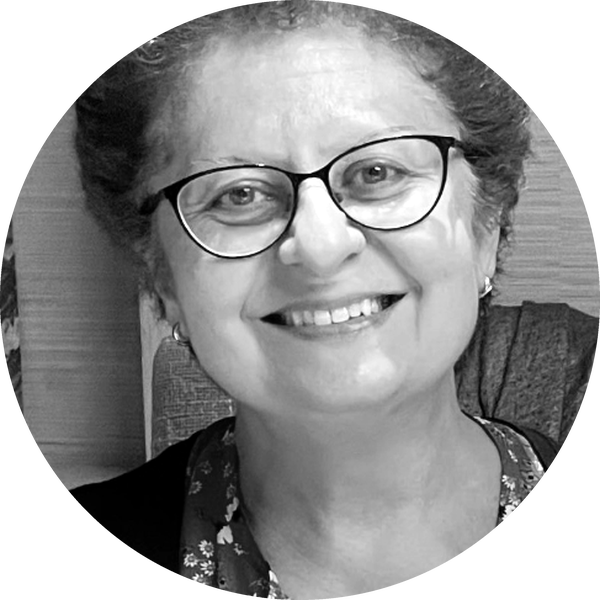
Dr Zack Eleftheriadou
Chartered counselling psychologist; child, parent-infant and adult psychoanalytic psychotherapist

Shelly Allen
Psychodynamic psychotherapist; Senior Lecturer, University of Manchester

Sue Kegerreis
Emeritus Professor, University of Essex; Editor-in-Chief, British Journal of Psychotherapy

Linda Cundy
Attachment-based psychoanalytic psychotherapist and clinical supervisor

Mohini Murti Gulati-Olapoju
Attachment-based psychoanalytic psychotherapist (UKCP); leads the clinical training at the Bowlby Centre

Arianna Pulsoni
Child and adolescent psychoanalytic psychotherapist; Course Director, University of Essex
Jungian Facilitators
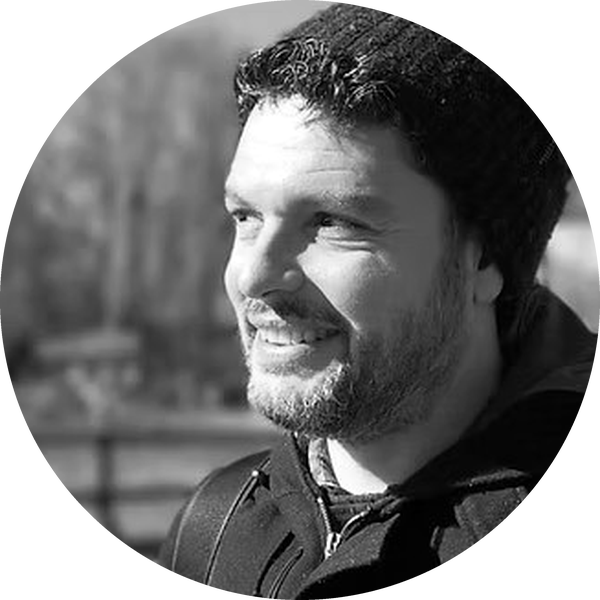
George Taxidis
Jungian analyst (BJAA) and clinical supervisor; Lecturer, Goldsmiths, University of London

Jean Knox
Associate Professor, University of Exeter; Chair of Trustees, bpf

Dr Angeline Wallis
Child and adolescent psychoanalytic psychotherapist (ACP), researcher and lecturer

Clare Simmonds
Jungian analyst (BJAA) in private practice

Mark Matthew Palmer
Jungian analyst; Coordinator of Training, Guild of Analytical Psychology

Susan Tyler
Jungian analyst and supervisor; co-founder, London Analysis, Psychotherapy and Counselling

Ruth Calland
Training analyst, British Jungian Analytic Association; senior member, bpf

Dr Giles Allen
General adult psychiatrist, Jungian analyst and EMDR therapist
Entry Requirements
Applicants should hold a professional qualification in clinical psychology, counselling, psychotherapy or another recognised therapeutic modality. We welcome practitioners trained in a wide range of approaches, including humanistic, person-centred and existential therapies. Previous training in psychoanalytic or Jungian practice is not required; however, applicants should have a clear professional interest in these traditions and a willingness to explore how their concepts may deepen clinical understanding and enrich their existing way of working.
Applicants are expected to hold current clinical registration or accredited membership with a recognised professional body, such as the Health and Care Professions Council (HCPC), British Association for Counselling and Psychotherapy (BACP), UK Council for Psychotherapy (UKCP), National Counselling and Psychotherapy Society (NCPS), British Psychoanalytic Council (BPC) or the Association of Child Psychotherapists (ACP). This requirement helps ensure that participants have an established clinical foundation and practise within an appropriate professional and ethical framework.
The course also attracts arts therapists, CBT practitioners and clinicians based outside the UK. International applicants are welcome where they can demonstrate registration, accreditation or membership with an equivalent recognised professional body in their country of practice. Applications from practitioners whose professional background does not fit neatly within the categories above will also be considered, provided they can demonstrate appropriate clinical training, accountability and experience.
Each application is considered on its own merits, taking account of the applicant’s qualifications, professional registration, clinical experience and reasons for undertaking the course. As a general guide, successful applicants will usually have at least three years of post-qualifying clinical experience. This level of experience enables participants to relate the course material to established practice and contribute meaningfully to clinically focused discussion.
Fees
| Psychoanalytic & Jungian Theory for Qualified Practitioners | Year 1 (3 terms) | 1842* |
Please note that fees will be subject to annual increases in line with inflation in the UK.
As part of your course fees, you automatically become a bpf trainee member.
On offer of a place, you will be invited to register and pay via debit card through a secured payment page.
Please note that upon securing your place on the course, you will be expected to pay the full fee before the course start date.
For more information about fees, please contact the Training Coordinator at: [email protected]
Training Pathways
While we envisage this course as a form of CPD for most participants, some of you may wish to train further with us and undertake one of our qualifying trainings in psychodynamic, psychoanalytic or Jungian psychotherapy. This course may be used as preparation for you to apply to other trainings.
You do not have to be in your own personal analysis with an approved psychoanalytic or Jungian analyst to do this course, but you would need to have this in place if you want to pursue further qualifying training with us.
How to Apply
Applications for the 2026/27 academic year are now closed.
Applications for the 2027/28 academic year will open in Autumn 2026.
Application Process
Applications will be reviewed on a first-come, first-served basis by senior members of staff at the bpf. Each application is considered on its own merits. It would be advantageous for applicants to be able to demonstrate that the course will enhance their existing clinical practice and/or contribute to their professional development.
There is a non-refundable application fee of £25. After completing the application form, you will be directed to a payment page. We are unable to consider your application until the application fee has been paid.
Upon being offered a place on this course, you will be required to pay a non-refundable deposit of £400 within 10 days of receiving an offer to secure your place. Your place is not confirmed until this has been paid. This deposit will be deducted from the total course fees.
Please note that upon securing your place on the course, you will be expected to pay the full fee before the course start date.
This course starts yearly, in October.
If you have any questions about this course or making an application, please email: [email protected]
Testimonials
‘I have been looking for a course like this for some years. Like many more experienced therapists I have become increasingly interested in psychoanalytic ideas over the years and this course provides an opportunity to access teaching in theory at a Psychoanalytic and Jungian training institute that otherwise would only be available to those undertaking a full clinical training. It has supported my personal integration of these ideas and allowed a reflective space to consider in detail key concepts and how they might fit my practice. The culture of the course is unashamedly highly academic and rigorous which I valued. There was also clearly an intention to provide a course experience rather than a set of themed CPD days with a wide range of background reading. I would recommend the course.”
Trainee, cohort 2025-26
“At time of writing, I am over halfway through the Psychodynamic and Jungian Theory for Qualified Practitioners course and am finding it beneficial to my knowledge and skills as well as relevant to my practice. Most helpful has been the rich set of readings, diverse group of seminar leaders and a cohort of various backgrounds that brings a wealth of perspectives and experience to the discussion groups in exploring the evolution and application of these rich approaches to therapeutic work. So far, I have found the seminar leaders to be generous with their knowledge and encouraging in inviting the cohort to consider and challenge the themes and topics in discussion. Since starting the course, my way of thinking about people and the therapeutic relationship has expanded; something that is evident in my client work, supervision and self-reflection. The bpf’s promotion of a pluralistic approach in this field invites the practitioner to apply psychodynamic and Jungian theory to their own work making this a valuable course irrespective of modality or background. The bpf has also demonstrated their commitment to delivering a rich, relevant and contemporary course and has been both encouraging of and responsive to feedback so far. For the rest of the course, I look forward to further developing my knowledge and skills and to building connections in the cohort and with the bpf. I recommend this course to anyone with a curiosity about psychodynamic and Jungian theory and how it could fit into their practice.”
Liam Croucher MBACP (Accred), cohort 2025-26
“I decided to do the bpf’s certificate course because I was looking for a deeper understanding of where the modalities I base my approach on, including Person Centred and Transpersonal, had been born of and how they had evolved up until my training and since! I have had that and more from this certificate course which has encouraged me personally to not just learn but also to test my understanding and share my work experiences where appropriate and pertinent. The certificate course is very engaging, and in my experience has been an excellent foundation for building confidence in future academic study and engaging in more experiential learning.”
Trainee, cohort 2025-26
The standard of teaching was exceptional, and the course structure fostered an environment conducive to our growth and development as clinicians. Regular weekly supervision sessions allowed us to strengthen our peer relationships while deepening our learning.
bpf Student
Simply, it exceeded all my expectations, and sufficiently impressed and enthused me to consider a future career in psychotherapy. On a personal level it has changed me; something that has been accelerated by beginning my own personal analysis. I find myself thinking about non-verbal communications much more as a consequence of having attended the course.”
bpf Student
The course has allowed me to dip my toe into the analytic world and provided a broad overview of the analytic landscape. It has enhanced my understanding of psychoanalytic ideas and I’ve particularly benefited from speaking to experienced clinicians. The discussion groups in particular have been useful to clarify my own ideas and get a different perspective from others. Overall, it has helped me to determine if I would like to pursue work in this field.”
bpf Student
Last Chance to Apply for Autumn 2026
- Assessment Skills Training (London, Starts 3rd Oct 2026)
- Foundation Course – Psychotherapy & Counselling (London / Online, Oct 2026)
- Jungian Dreams Workshop (Online, Oct 2026)
bpf North:
- Psychoanalytic & Psychodynamic Psychotherapy Training (Taught in Newcastle & Online, Oct 2026)
- Foundation Course (Taught in Newcastle, Oct 2026)
New in 2027
- Freud: Advanced Studies (Taught in London from Sep 2027)
- Certificate in Autism and Mental Health (Online from Jan 2027)
- Diploma in Psychodynamic Supervision (Online from Mar 2027)
Upcoming Events
Foundation Course Open Evening – Wednesday 9 September 2026, 7.00–8.15pm BST, Online via Zoom. Meet course director Urvashi Chand, learn about the Foundation Course and its study options, and ask your questions. Click here to register.
When Societies Lose Their Minds – Date: 14/10/2026 Time: 19:00 – 21:00 GMT, Online via Zoom. Lord John Alderdice, Dr Gwen Adshead and Professor Josh Cohen explore violence at both an individual and societal level. Click here to register.

Make a £10 Donation – Receive a Psychoanalytic Reading List
Donating supports our mission to make our psychotherapy training, clinical services, and public events affordable, accessible, and more inclusive.
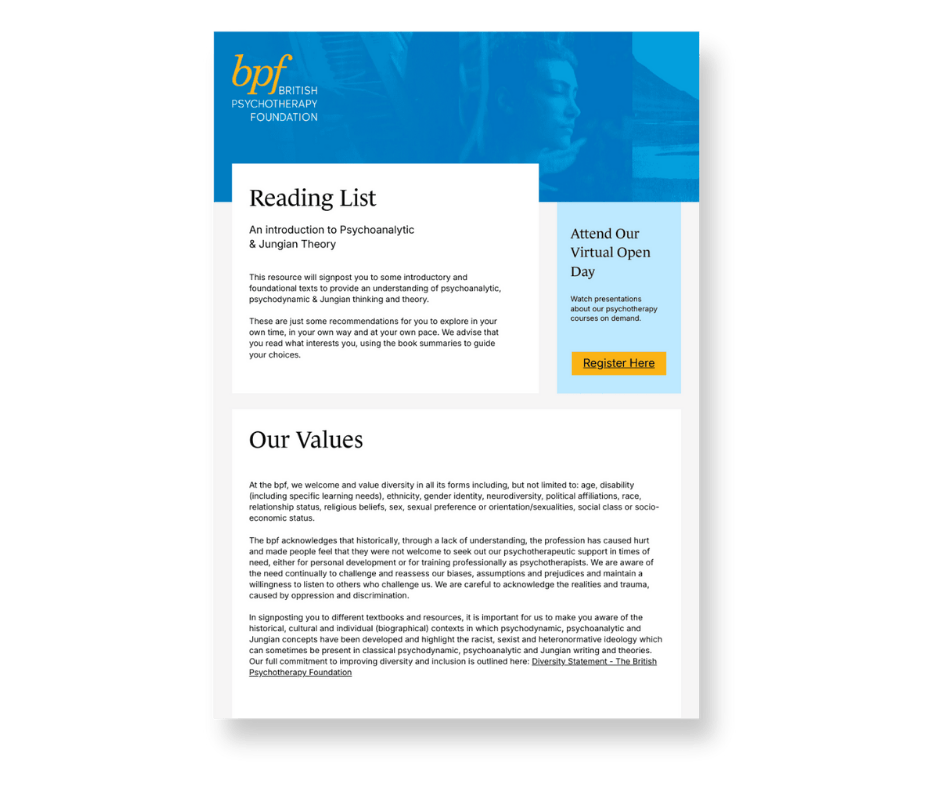
Reading List: Introduction to Psychoanalytic & Jungian Theory
Receive a curated list of 67 essential texts – covering psychoanalytic, psychodynamic, and Jungian theory – ideal for both newcomers and those wanting to deepen their knowledge.